Vehicle security has come a long way from basic door locks and car alarms. Today, drivers have access to an increasingly sophisticated range of technologies designed to deter theft, track vehicles, protect valuables, and provide greater peace of mind. As cars themselves become smarter and more connected, the tools available to keep them secure are evolving too.
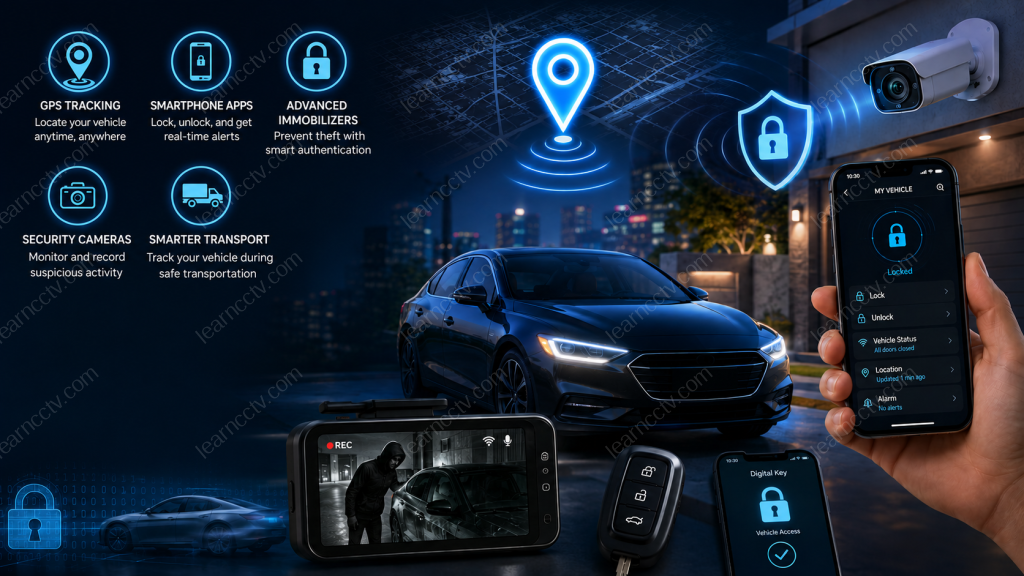
GPS Tracking Makes Vehicles Easier to Locate
One of the most useful developments in vehicle security is GPS tracking. Many modern cars now come with built-in tracking capabilities, while aftermarket GPS devices can be installed in older vehicles.
If a vehicle is stolen, GPS technology can help owners and, where appropriate, law enforcement locate it more quickly. Some systems also allow drivers to view their vehicle’s location through a smartphone app, making it easier to check where the car is parked or monitor it when someone else is using it.
Smartphone Apps Offer Greater Control
Connected car technology has made smartphones an important part of vehicle security. Depending on the manufacturer and model, drivers may be able to lock or unlock their car remotely, receive alerts when the alarm is triggered, or check whether doors and windows have been left unsecured.
Some apps can even notify owners if their vehicle is moved unexpectedly. Having this information available in real time gives drivers more control, even when they are nowhere near their car.
Advanced Immobilizers Can Prevent Theft
Modern immobilizer systems are designed to stop a vehicle from starting unless the correct electronic key or authentication method is detected. This creates an additional barrier for thieves trying to drive a vehicle away.
Manufacturers are also exploring increasingly advanced authentication options, including biometric technology and digital keys stored on smartphones. While no security method is completely foolproof, layering multiple technologies can make a vehicle a much less attractive target.
Cameras Provide an Extra Layer of Protection
Dashcams are no longer useful only for recording incidents on the road. Many newer models include parking modes that can begin recording when movement or an impact is detected around a stationary vehicle.
Some camera systems can send footage or alerts directly to a connected device, potentially helping owners identify suspicious activity. Meanwhile, home security cameras and smart doorbells can provide additional coverage for vehicles parked on driveways.
Technology Can Help During Vehicle Transportation
Security is also an important consideration when a vehicle needs to be moved over a long distance. Online platforms can make it easier to research transportation options, compare providers, and keep relevant information organized. For example, people searching for Jacksonville car transporters can explore available vehicle shipping options rather than relying solely on traditional offline searches.
Depending on the transporter and service selected, customers may also have access to digital communication and shipment updates, helping them stay informed throughout the process.
Smarter Security Starts With Multiple Measures
Technology is making it easier for vehicle owners to stay connected to their cars and respond more quickly when something is wrong. However, digital tools work best alongside sensible everyday precautions.
Parking in well-lit areas, keeping valuables out of sight, securing keys, and remembering to lock doors remain important. By combining these habits with GPS tracking, connected apps, cameras, and modern anti-theft systems, drivers can create several layers of protection around their vehicles.
As automotive technology continues to develop, vehicle security is likely to become even more intelligent. For drivers, that means more ways to monitor, manage, and protect one of their most valuable possessions.